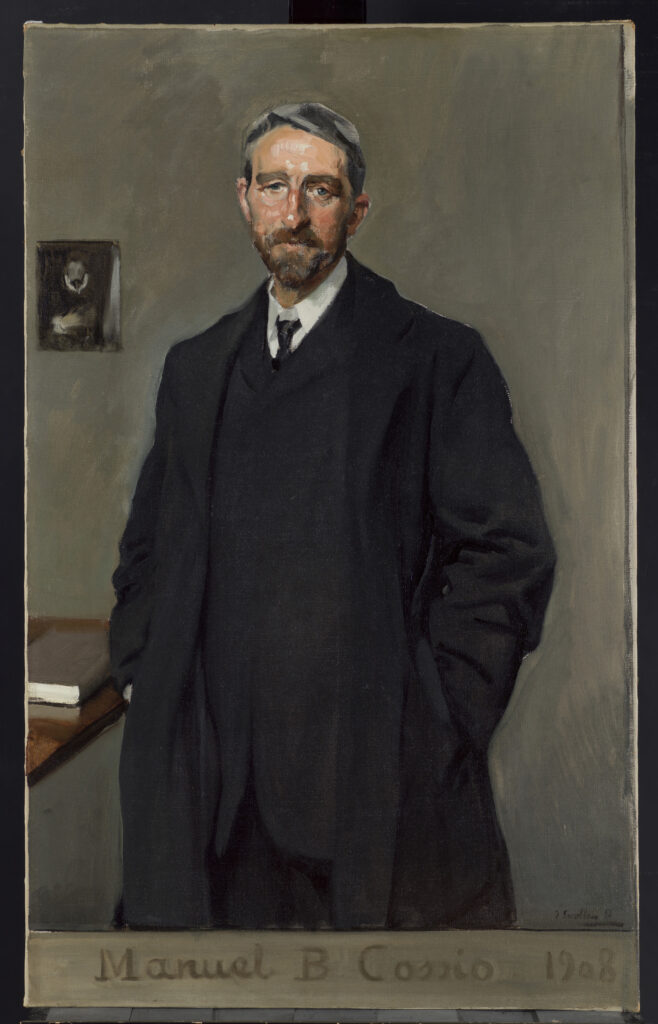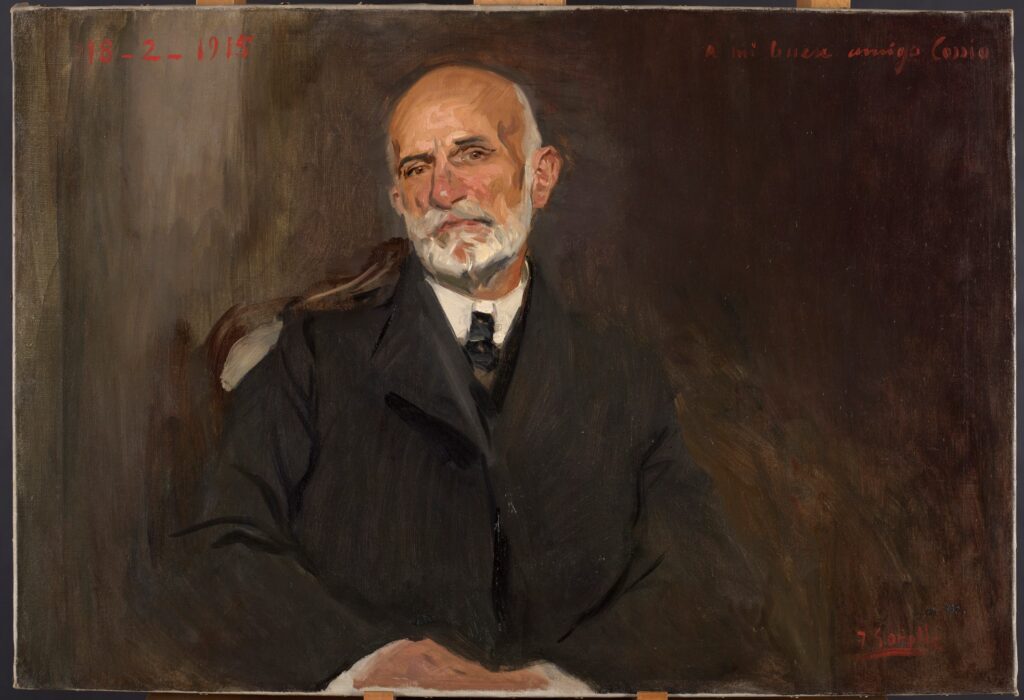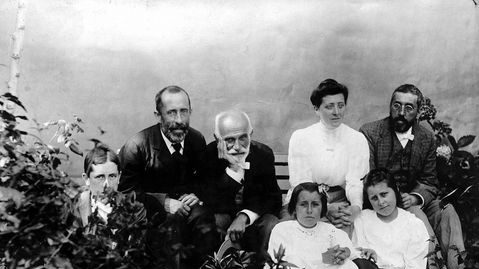

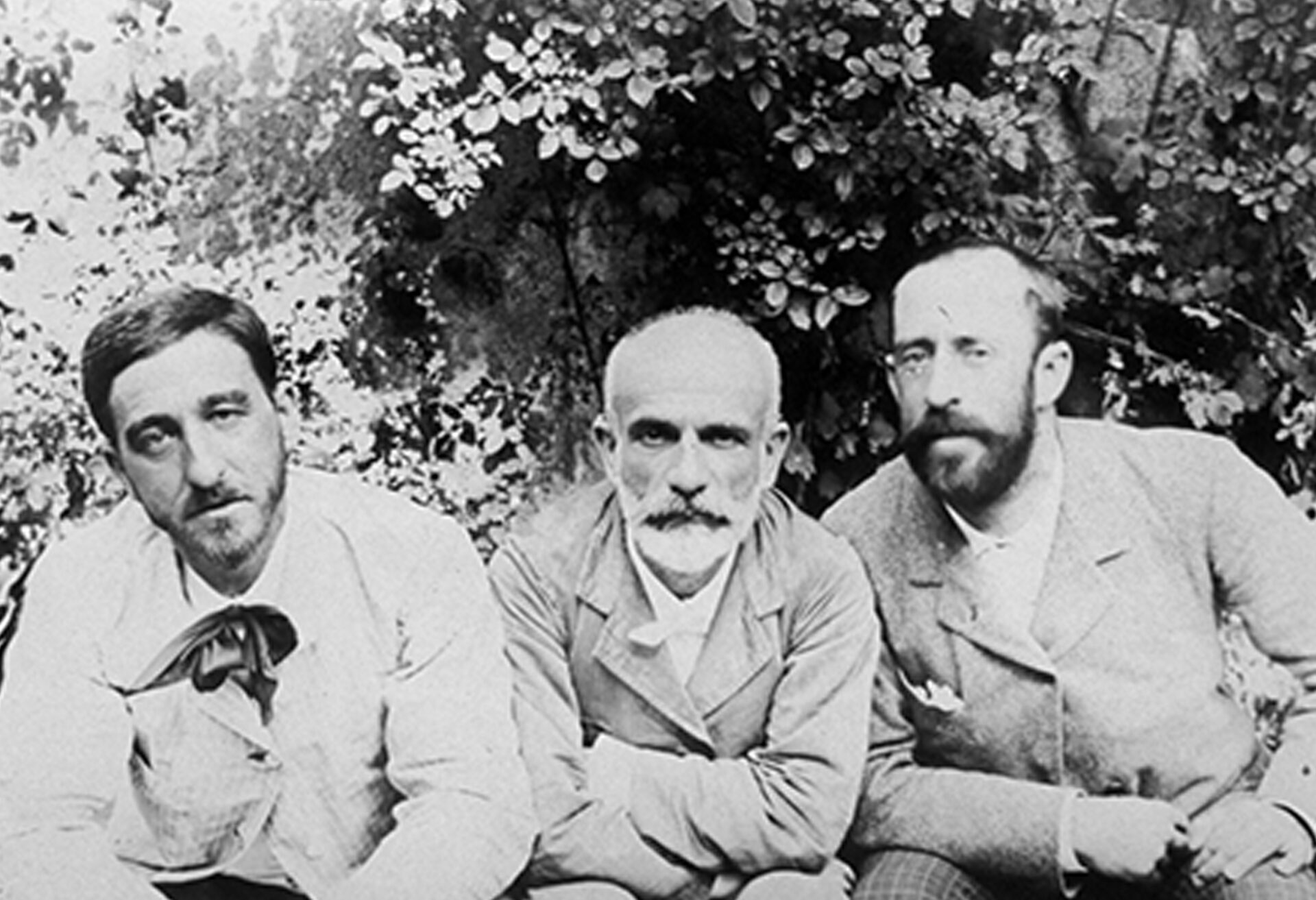
The Institución Libre de Enseñanza was founded in 1876 by a group of university professors –among which were Francisco Giner de los Ríos, Gumersindo de Azcárate and Nicolás Salmerón– separated from the university for defending academic freedom and refusing to adjust their teaching to the official dogmas in religious, political, or moral matters. This forced them to continue their educational work on the fringes of university centers of the State, through the creation of a private educational establishment whose first experiences were geared towards university teaching and, later, at elementary and secondary education.
Until 1936, the Institution was a nucleus of initiatives designed to modernize Spanish culture and society. Under his influence they undertook important social, educational, culturtal and scientific reforms which were made possible what has been classified as a Second Golden Age of Spanish culture.