Not Found Legado – Institución Libre de enseñanza
Skip links

Legacy

History

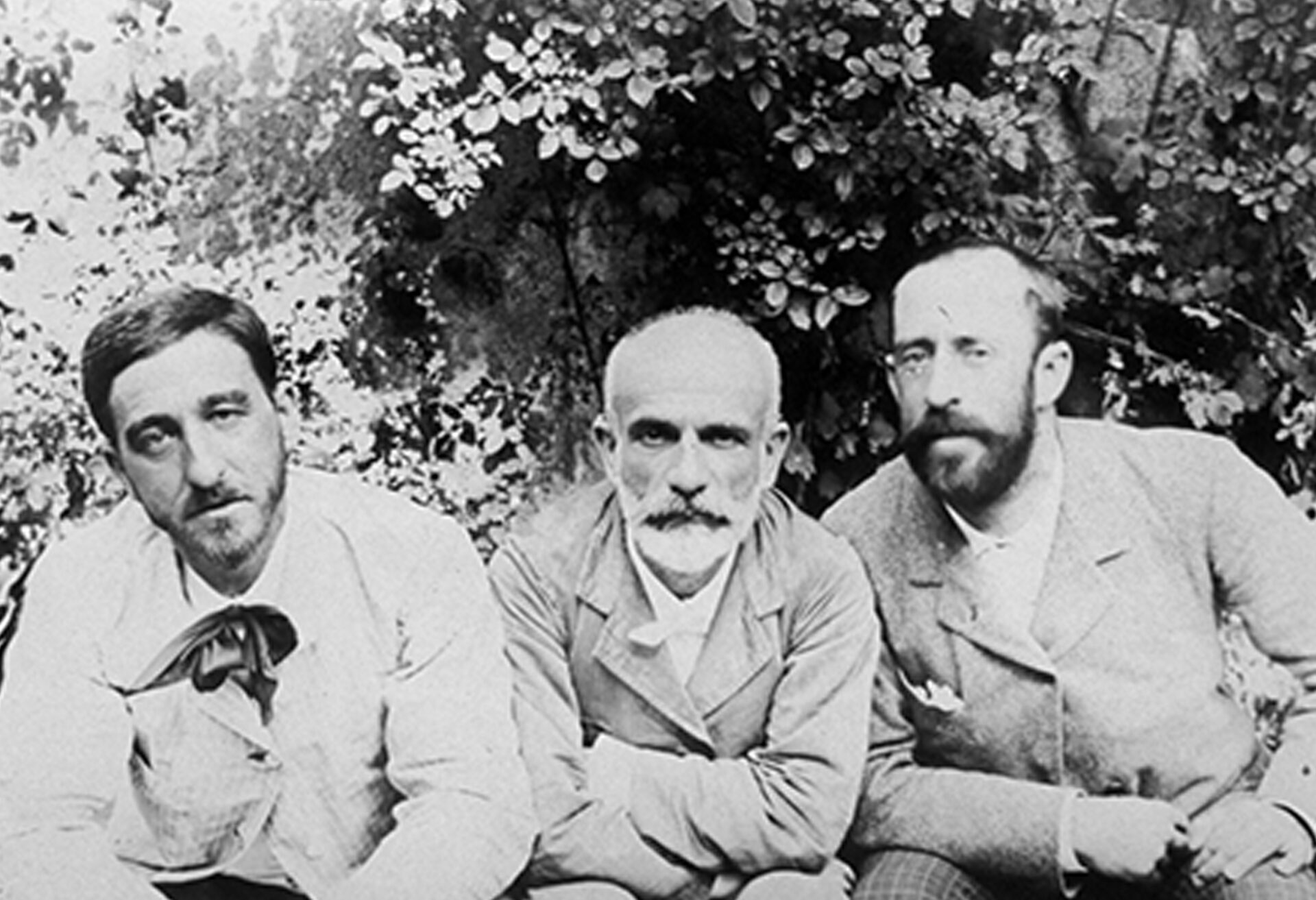
The Institución Libre de Enseñanza was founded in 1876 by a group of university professors –among which were Francisco Giner de los Ríos, Gumersindo de Azcárate and Nicolás Salmerón– separated from the university for defending academic freedom and refusing to adjust their teaching to the official dogmas in religious, political, or moral matters. This forced them to continue their educational work on the fringes of university centers of the State, through the creation of a private educational establishment whose first experiences were geared towards university teaching and, later, at elementary and secondary education.

Until 1936, the Institution was a hotbed of initiatives designed to modernize Spanish culture and society. Under its influence they undertook important social, educational, cultural, and scientific reforms, which made possible what has been classified as a Second Golden Age of Spanish culture. At the end of the war, the Institution was dissolved and their assets seized by the decree of May 17, 1940, declaring it illegal "for its notorious actions contrary to the New State".
The Fundación Francisco Giner de los Ríos was created in 1916 after the death of Giner to pursue and to disseminate their work and ensure the survival of the Institution, and is responsible for the protection of heritage material, and intellectual assets. Since then it has been working to recover the legacy of the Institución Libre de Enseñanza for the Spanish society of our time, and to continue and expand its modernising work.

The influence of institutionalism

Under the influence of Giner and the Institution, important legal, educational and social reforms were undertaken by public bodies. They created agencies such as the Museo Pedagógico Nacional and the Junta para Ampliación de Estudios e Investigaciones Cientificos, of which the Centro de Estudios Históricos, El Instituto Nacional de Ciencias Físico-Naturales and the Residencia de Estudiantes depended on.

From 1907 to 1936, attempts at scientific and educational reform took shape arpund the Junto and the Museum, which gave rise to pioneering initiatives: the Instituto-Escuela, pensions to further their studies abroad, the colonias escolares de vacaciones, the Universidad Internacional de Verano or the Pedagogical Missions, which took place during the Second Republic.

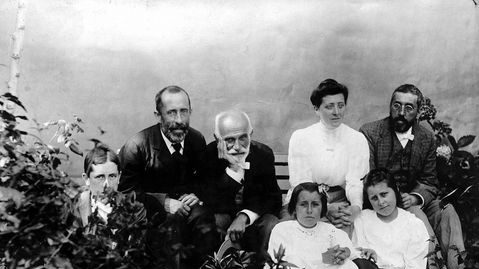
File ILE

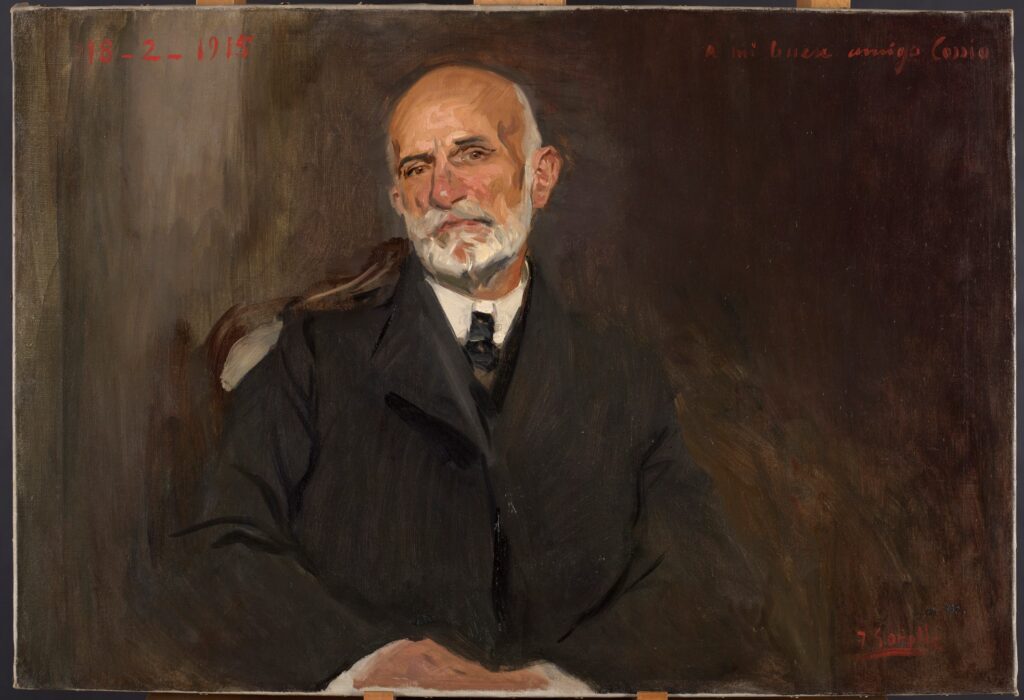
Sorolla Cossío
Sorolla Giner

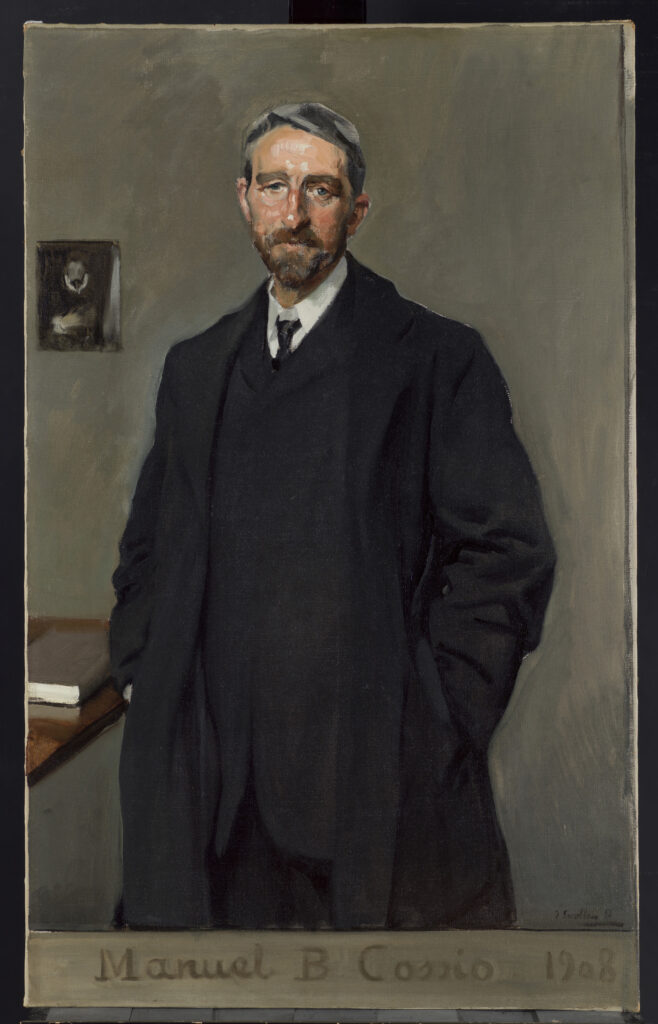
The documentary collections of the Fundación Francisco Giner de los Ríos are composed of the archive of the Institución Libre de Enseñanza, a part of which is currently on deposit at the Royal Academy of History; the legacy of Peter White and Alice Pestana, teachers of the ILE, which includes documents from the Portuguese intellectual and politician Bernardino Machado; the legacy of Julián Besteiro, Dolores Cebrián and Mercedes Cebrián, donated by his nephews –the Zulueta brothers – and, finally, several smaller collections, such as the photographic archive of the ILE and the legacies of Juan González Nail, Edmundo Lozano and Carlos Valdeavellano, among others. Recently, the portrait of Giner de los Ríos that Joaquín Sorolla painted, and gave to Cossío in 1915, after the death of don Francisco has also been recovered.

The Fundación Francisco Giner de los Ríos

After the death of its main inspiration in 1915, the Fundación Francisco Giner de los Ríos was created on 14th June 1916, with the task of looking after the heritage of the Institution and continuing with the educational work started by the professor. One of the priority tasks was the publication of Giner´s complete works, which were published regularly until it reached 21 volumes.

The civil war of 1936 and the subsequent ban of the Institution, with confiscation of their goods, led to a long hiatus from their activities in Spain, although the project continued to live thanks to the work carried out in various countried by exiled institutionalists.

After the long hiatus that followed the civil war, in the years of the democratic transition, the Foundation was once again recognized as a legal entity and recovered its assets.

Chronology